
The Basics of Photography: Aperture
Aperture is an important aspect of photography that can greatly affect the quality and look of your photos. In simple terms, aperture refers to the size of the opening in the lens of a camera, through which light passes to reach the camera's sensor. This opening can be adjusted to let in more or less light, which in turn affects the exposure of the photo.
Aperture is typically measured in f-stops, with a larger f-stop number indicating a smaller aperture opening and a smaller f-stop number indicating a larger aperture opening. For example, an aperture setting of f/8 would have a smaller opening than an aperture setting of f/2.8.

This was captured at f/2.8 to allow for any and all light available to be captured, so that I can highlight the dark purples in the sky.
In addition to affecting the exposure of a photo, aperture also plays a role in the depth of field of a photo. Depth of field refers to the range of sharp focus in a photo, and a larger aperture (smaller f-stop number) will result in a shallower depth of field, where only a small portion of the photo is in sharp focus. This can be useful for creating a blurry background effect, also known as bokeh.
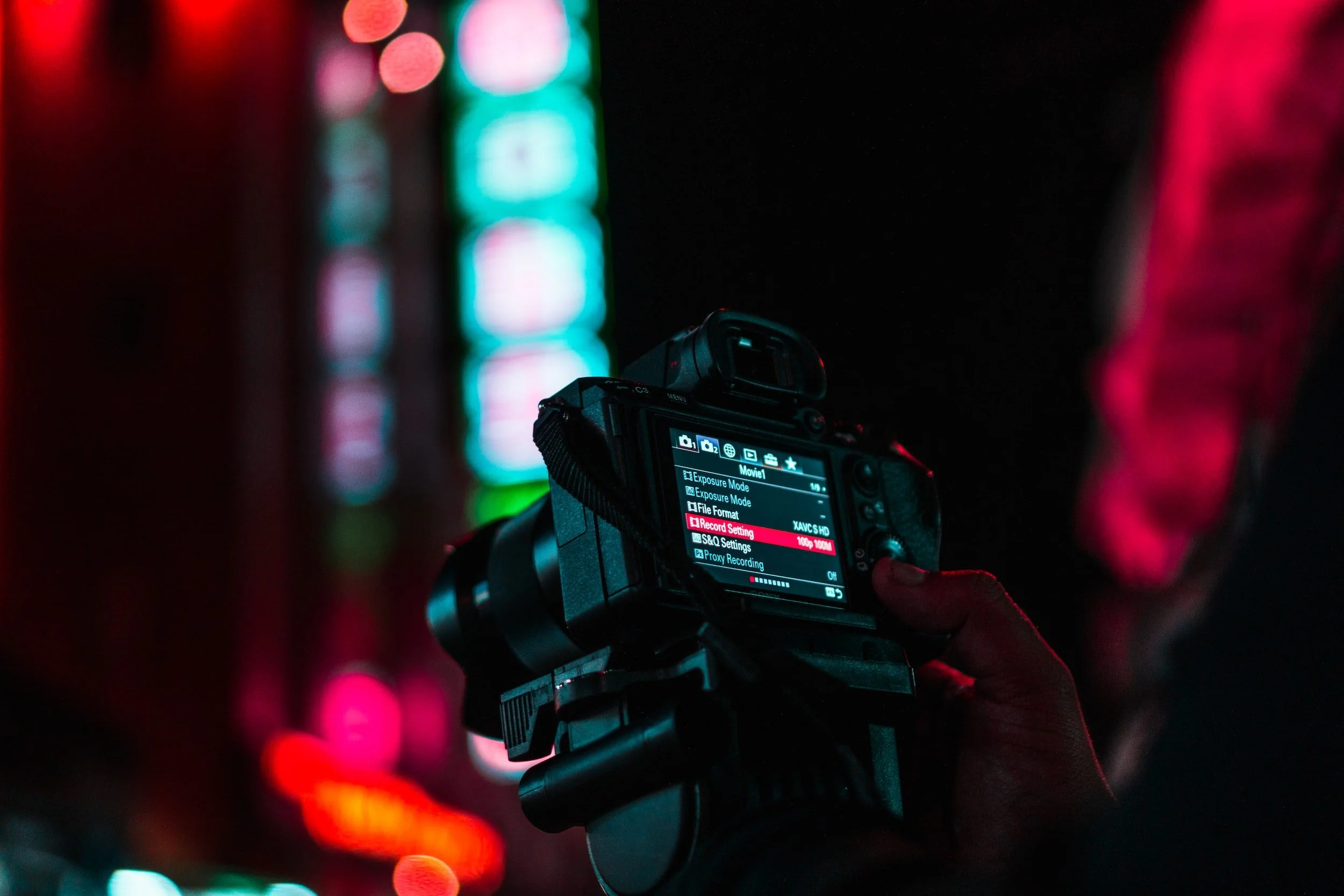
This image is captured with a large aperture creating the bokeh effect discussed above.
When shooting with a digital camera, it's important to understand how aperture works and how it can be adjusted to achieve the desired effect in your photos. Most digital cameras have an aperture priority mode, which allows the user to set the aperture and the camera will automatically adjust the shutter speed to achieve a correct exposure.
In conclusion, aperture is a crucial aspect of photography that can greatly impact the look and feel of your photos. By understanding how aperture works and how to adjust it, you can take more control over your photos and create beautiful, well-exposed images with interesting depth of field effects.
Comment below if you have any questions or found any of this helpful!