

The Power of Creative Photography for Mental Health
Creative photography is often seen as a fun pastime, but it can also be used to help improve your mental well-being. From reducing stress and anxiety to helping build self-confidence, a creative hobby like photography offers numerous mental health benefits. Whether you’re an amateur photographer or a professional, taking on an activity that helps create mindfulness can be extremely helpful in keeping negative feelings at bay. In this blog post courtesy of Nakul B Photography, we'll take a look at a few ways that photography can help improve your mental wellness.
Creativity Reduces Stress and Anxiety
Creative activities such as photography have been found to reduce stress and anxiety in individuals for years. Taking time out of your day to focus on something creative can provide a much-needed break from the stressors of everyday life. Whether you take photos of nature or shoot inanimate objects, creative photography can help relax the mind and body and provide relief from anxious feelings.
The Basics of Photography: Aperture
Aperture is an important aspect of photography that can greatly affect the quality and look of your photos. In simple terms, aperture refers to the size of the opening in the lens of a camera, through which light passes to reach the camera's sensor. This opening can be adjusted to let in more or less light, which in turn affects the exposure of the photo.
Aperture is typically measured in f-stops, with a larger f-stop number indicating a smaller aperture opening and a smaller f-stop number indicating a larger aperture opening. For example, an aperture setting of f/8 would have a smaller opening than an aperture setting of f/2.8.

The Basics of Photography: Shutter Speed
Shutter speed is an important concept in photography that refers to the amount of time that the camera's shutter is open to allow light to reach the camera's sensor. In simple terms, it determines how long the camera will be exposed to light when taking a picture.

The Basics of Photography: Understanding Shutter Speed, ISO, and Aperture
"Aperture, also known as f-stop, refers to the size of the opening in the camera's lens through which light enters. Aperture is measured in f-numbers, such as f/2.8 or f/16, and can greatly affect the final image. A large aperture, indicated by a small f-number, allows more light to enter the lens and creates a shallow depth of field, which can make the subject of the photo stand out against a blurred background. A small aperture, indicated by a large f-number, allows less light to enter the lens and creates a greater depth of field, which can make the entire scene appear sharp and in focus."
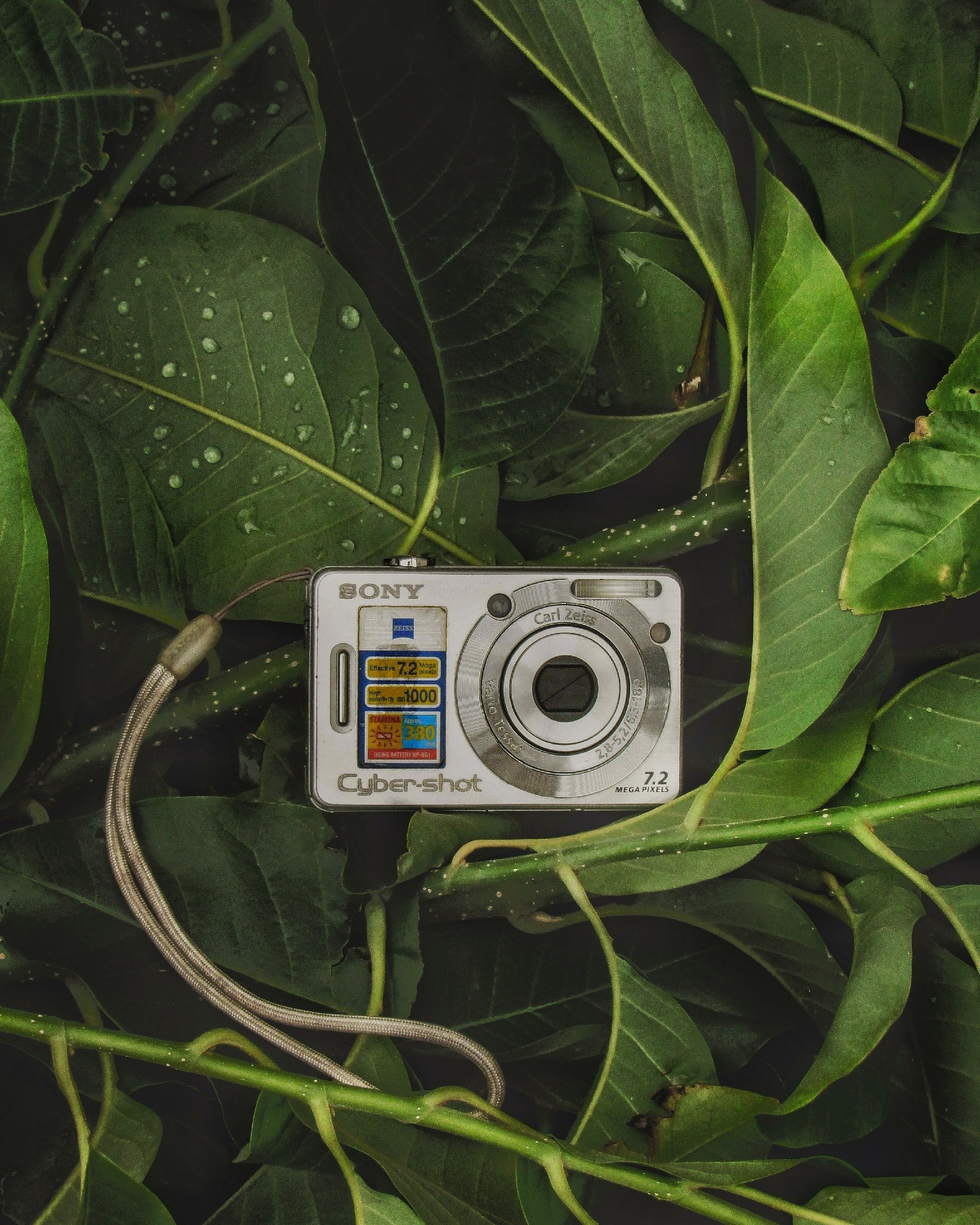
The Basics of Photography: A Beginner's Guide
One of the fundamental principles of photography is the use of light. Light is the main source of information for a camera, and the way that light is captured and recorded in a photograph can greatly affect the final image. Photographers use a variety of techniques to control the light in their photographs, such as using different types of lighting equipment, adjusting the camera's aperture and shutter speed, and using filters and other tools.